The World According to Engineers

The Middle of a Wish is a futuristic novel that foretells many things.  In the following passage, Mom, the oldest character, reflects on the reality she finds herself in in 2047:

Homo Electronicus. I remember when it was “announced” by the Academy that our species designation had changed from Homo Sapiens to Homo Electronicus.  They didn’t even try to find a Latin word for it—humanity’s embodied internet and AI.  How could a dead language describe who we are now?

     It was controversial. Many academics refused to accept the change just as they refused to accept “Anthropocene” as the name of our current geological age. And really, now—I agree with the dissenters.  The Earth is not defined or governed by Man, by Anthro. It is still for us to adapt or go extinct. The Earth will go on. But I suppose that’s understood. Our junk is still everywhere, and that’s the point. The fossil record will show man’s effects everywhere. Yet the Anthropocene may simply be a very short geological age.

   …Shanika is speaking, something about the satellite picture. I move closer and peer at the screen as she holds up the device for us to see. It appears there is a cyclonic cloud formation covering most of the southwestern United States. Heavy rains at the eastern periphery for some 600 miles. It will be sure to wash away more lowlands. Clear skies where we are, but not for long. We need to get into the boats. People start moving. Millie has already put her terrier, Dot, into a carrying sling. And Jen has Honey on a leash. The children are holding the hands of their mothers and caretakers. I quickly go to get my pack.

   I have to say, after staring at the satellite image just now of the atmospheric conditions of the U.S. that was created in outer space by AI—that it is godlike, to have this knowledge. But, I, for one, don’t miss computers—”devices.” I was so sick of them. I was sick of living in “the world according to engineers.” They were always thinking up new “user friendly” hints and gimmicks and complexities that…what? Took over. They took over our brains.

To purchase the ebook: https://www.kobo.com/us/en/ebook/the-middle-of-a-wish 
or the print book https://bookshop.org/p/books/the-middle-of-a-wish-heather-conrad/15777969?ean=9780971242586′

The Ancient Ways of Sustainable Design

The article, Green building meets Indigenous knowledge in Taos, New Mexico describes new building ideas based on ancient knowledge, such as passive solar heating and adobe construction. https://www.wbur.org/hereandnow/2024/06/25/green-building-new-mexico

From the article:

“It’s a reminder that while some of our technology might be new, what we now call sustainable design is at least as old as the ancient Pueblo in Taos.”

“We’ve got 14% of Americans who have no homes… Cement accounts for 8% of planetary pollution, all by itself.” –Anita Otilia Rodriguez.  Rodríguez points to her own floor. “This has no cement under it. It’s 35 years old, it’s completely waterproof, and it has subfloor heating underneath it. And that is one of the techniques passed on by the enjarradoras,” she says. “So we have not only the material, we have the technology, and women and children and elders can use this building material.”

Re-learning traditional building methods that rely on local materials — like adobe in the Southwest — could help cut climate pollution from the construction industry. 

Sustainable Housing: Past and Future

FUTURE:   

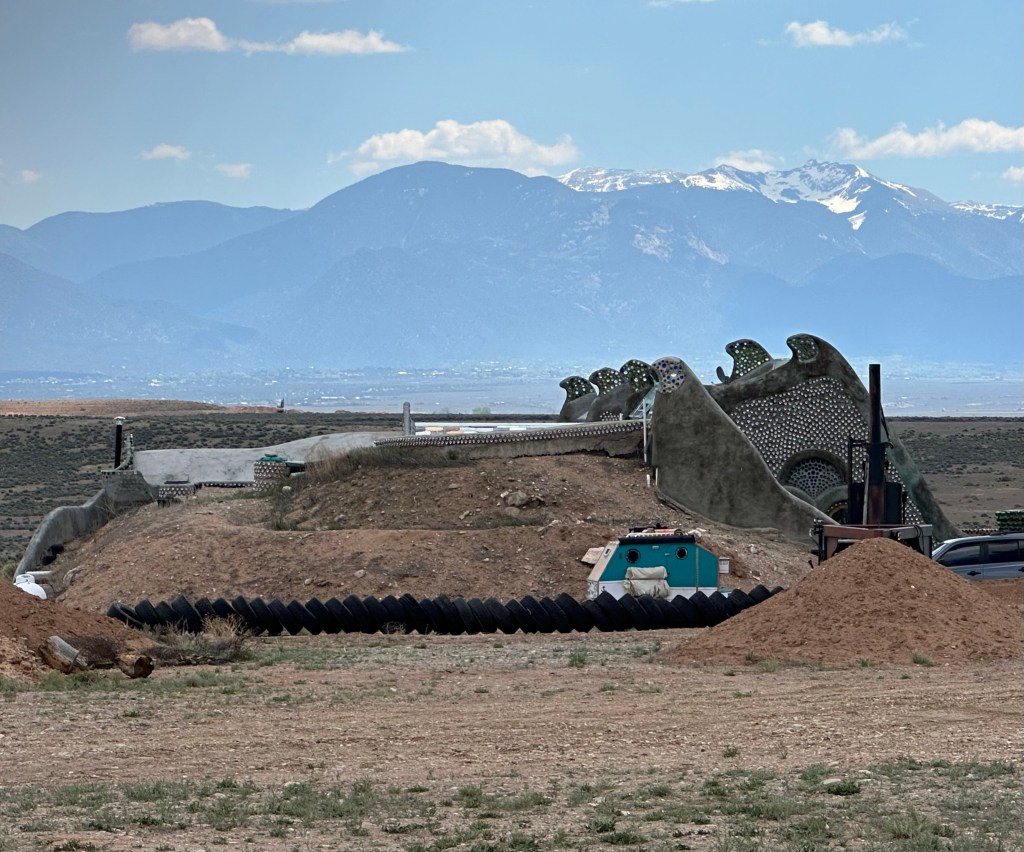
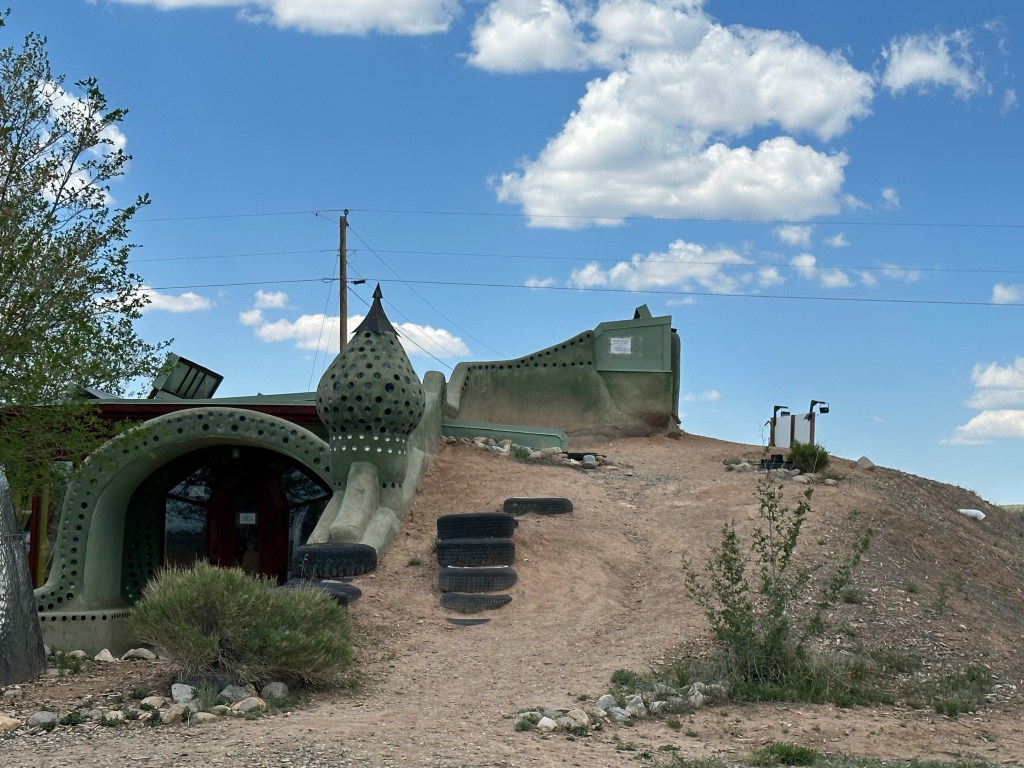
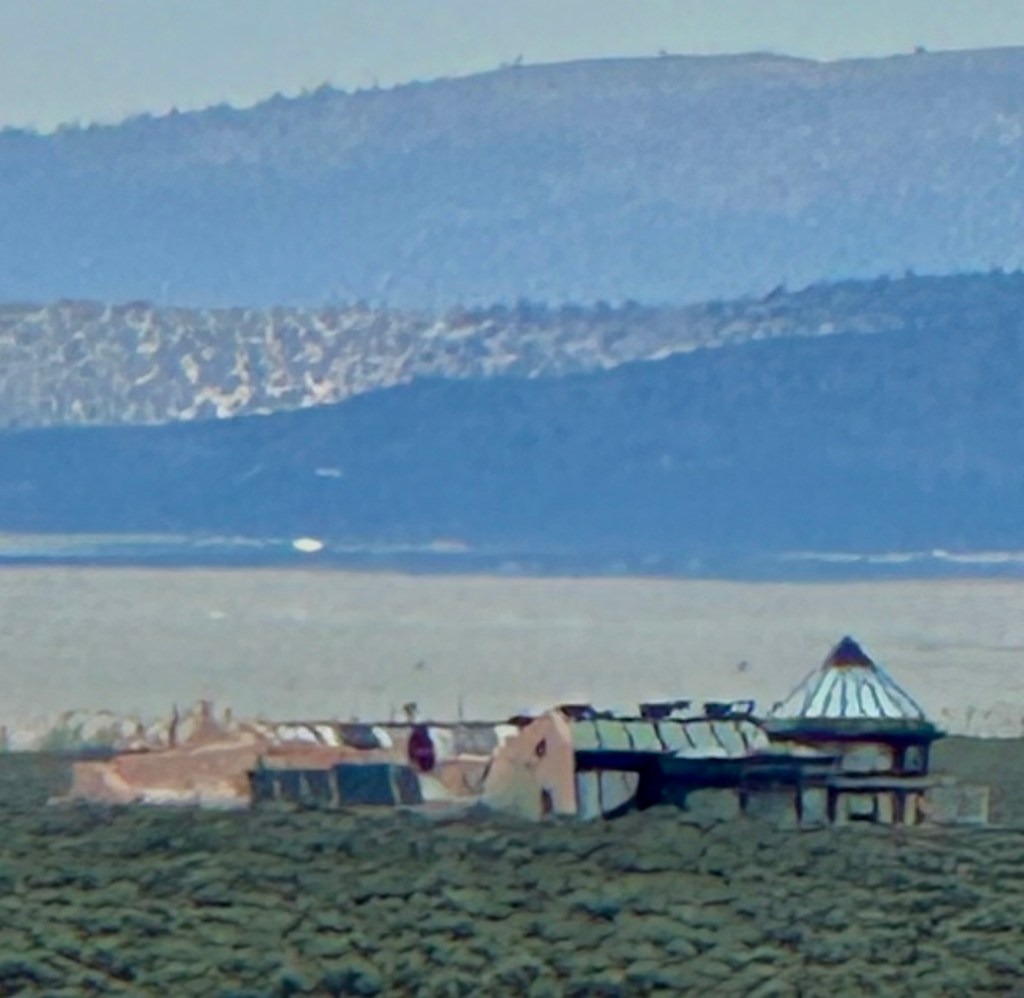
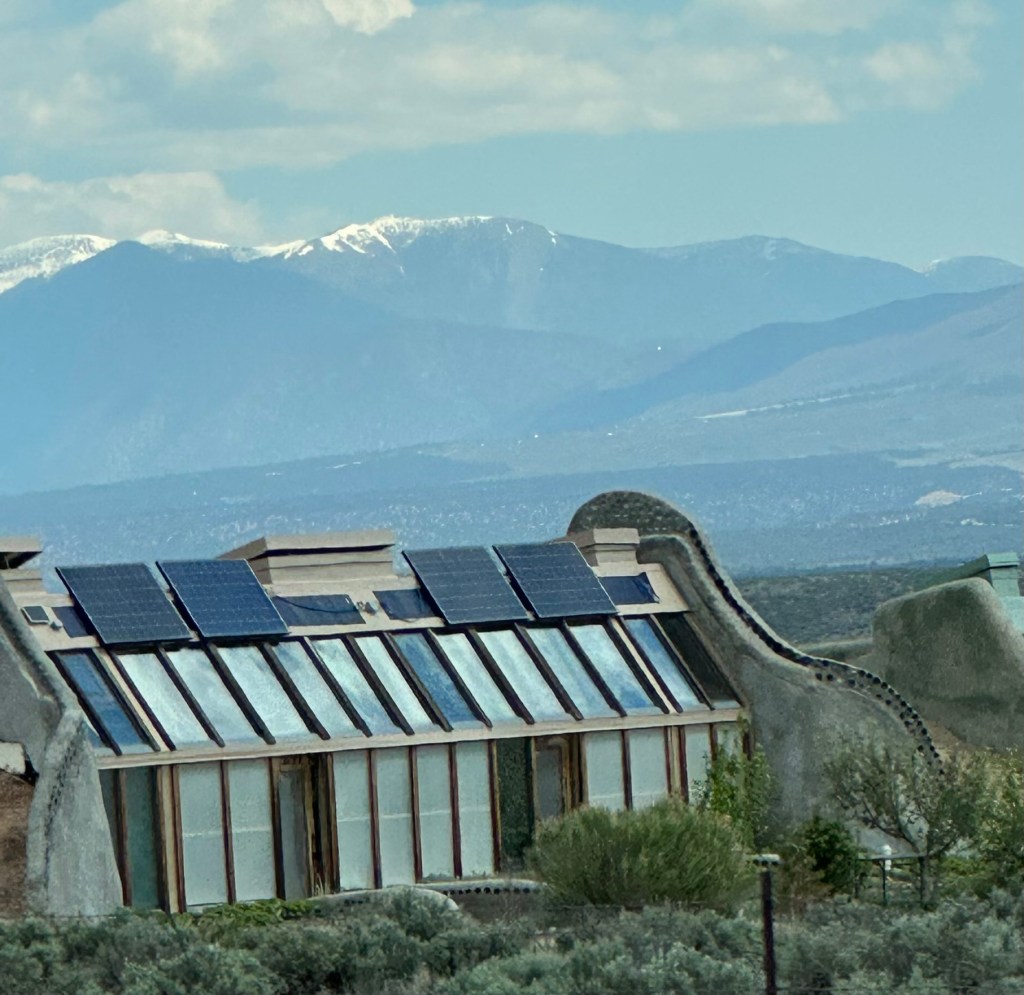
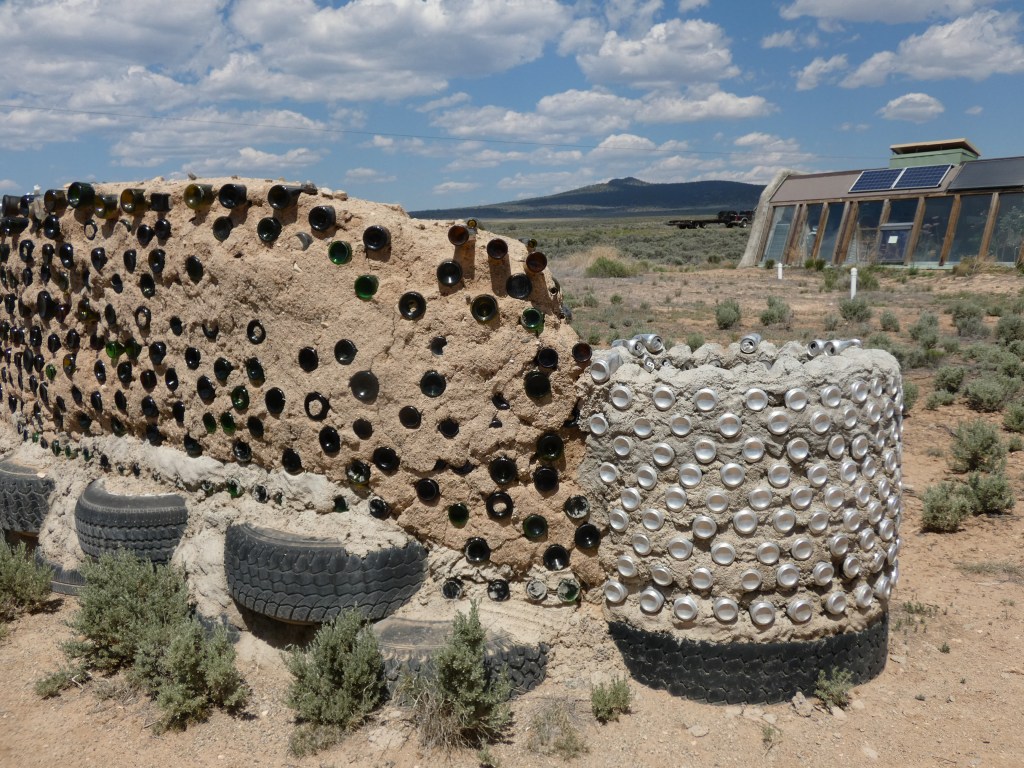
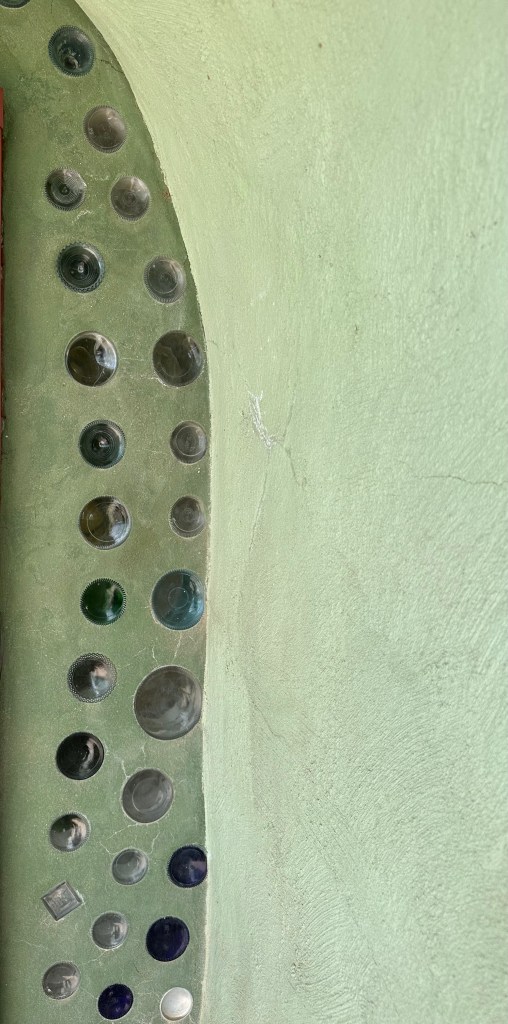
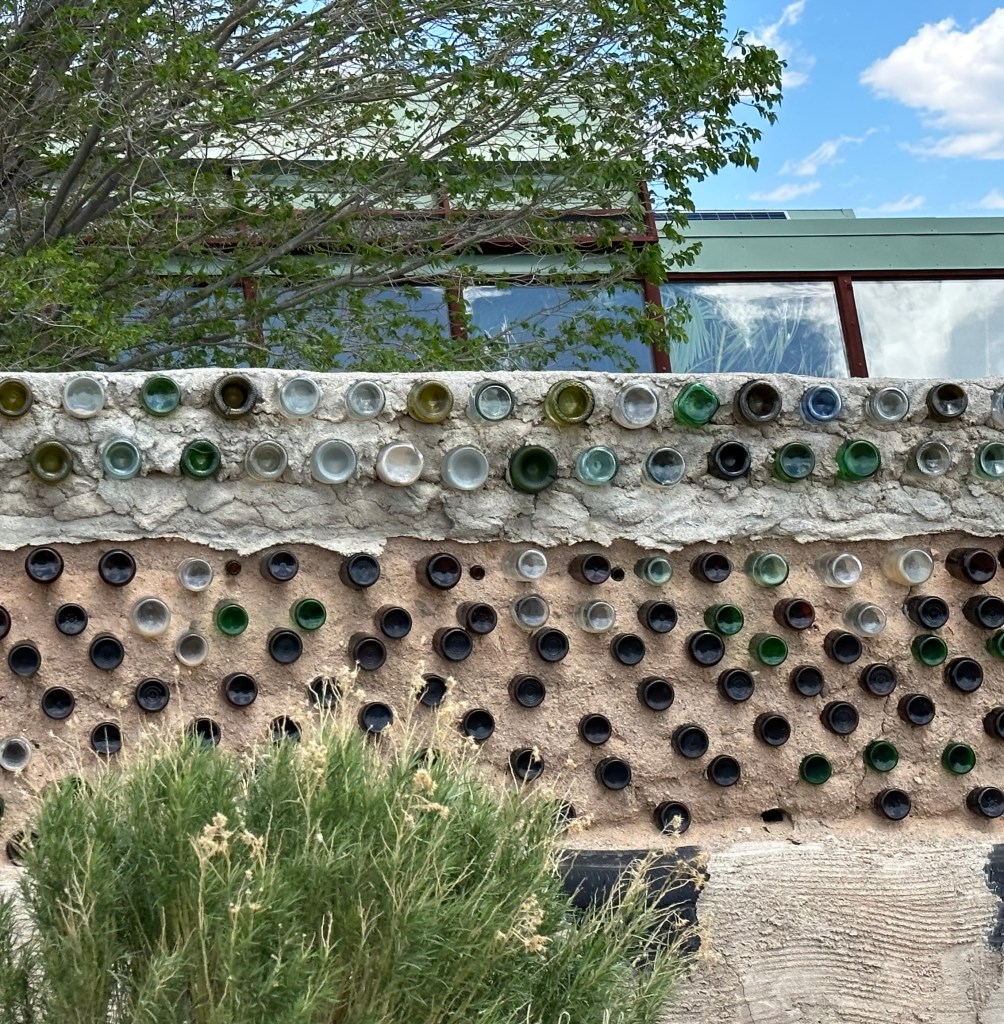
The Earthship Biotecture movement creates sustainable homes from recycled objects and natural materials like wood, mud, and stone. Many have green roofs and indoor gardens.

One community of these creative, futuristic homes is just outside of Taos, New Mexico:

PAST:

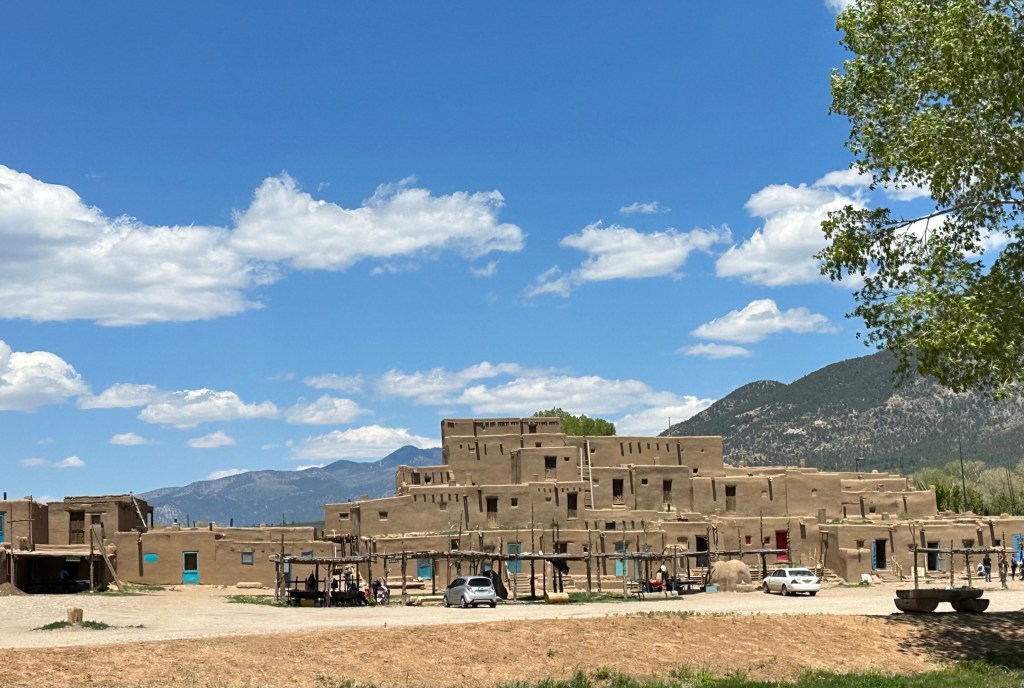
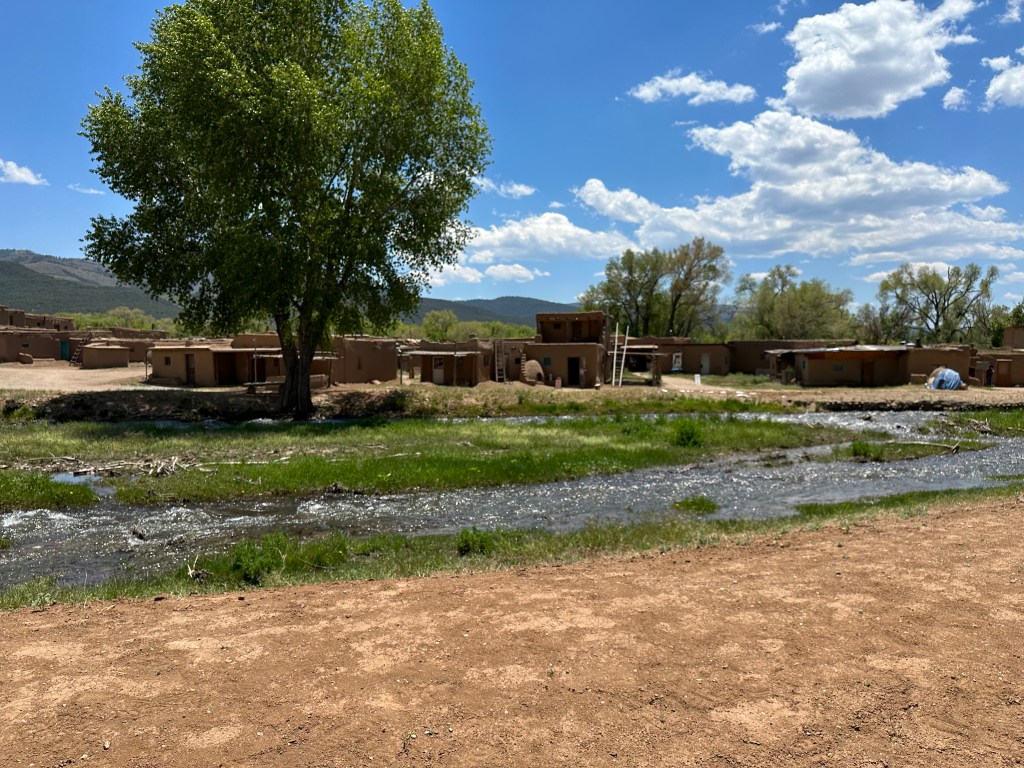
The Ancient Peoples of the American Southwest began building homes of wood, mud, and stone over a millennium ago.

One such ancient settlement, that is currently still inhabited by Pueblo people, is in Taos, New Mexico:

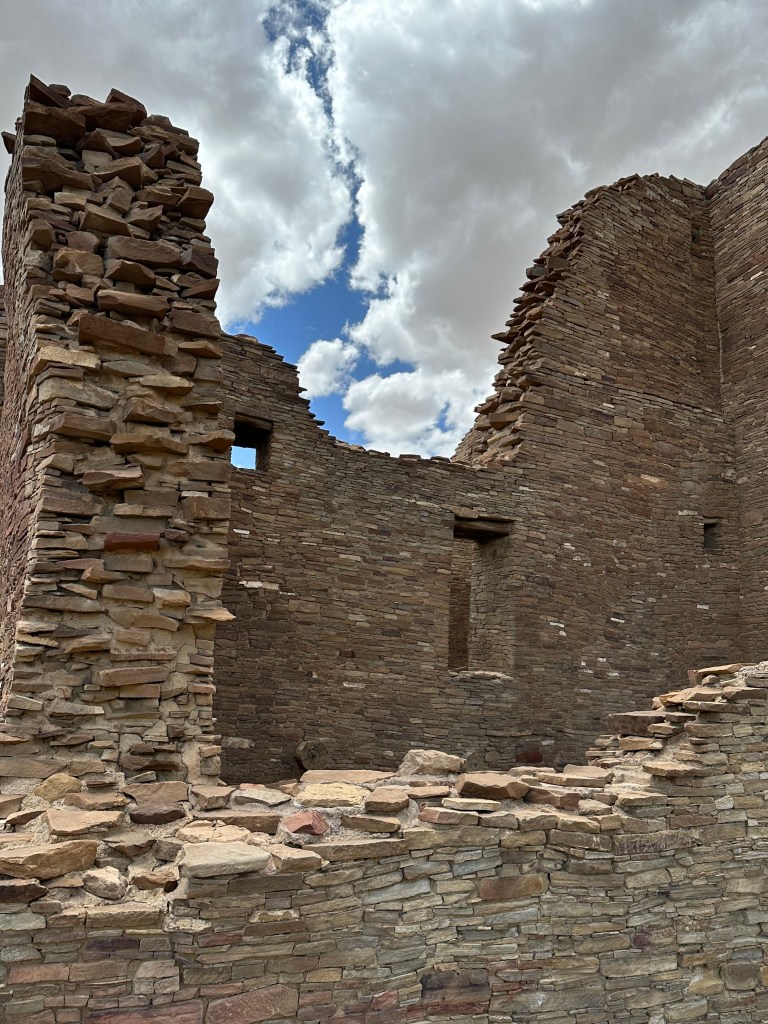
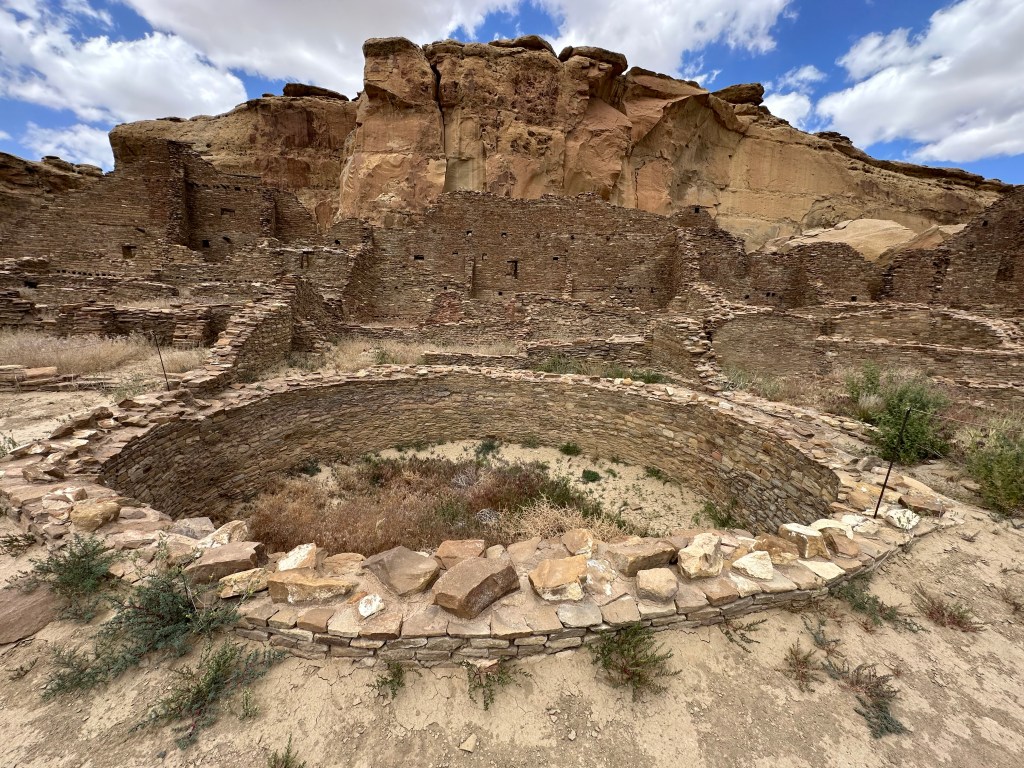
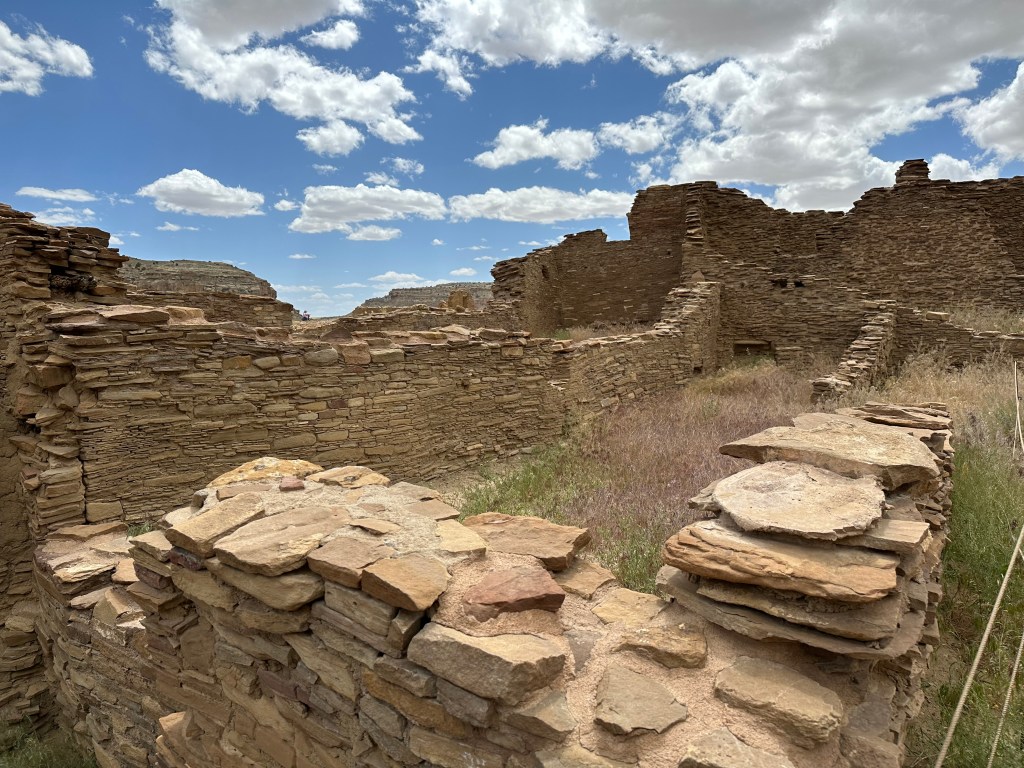
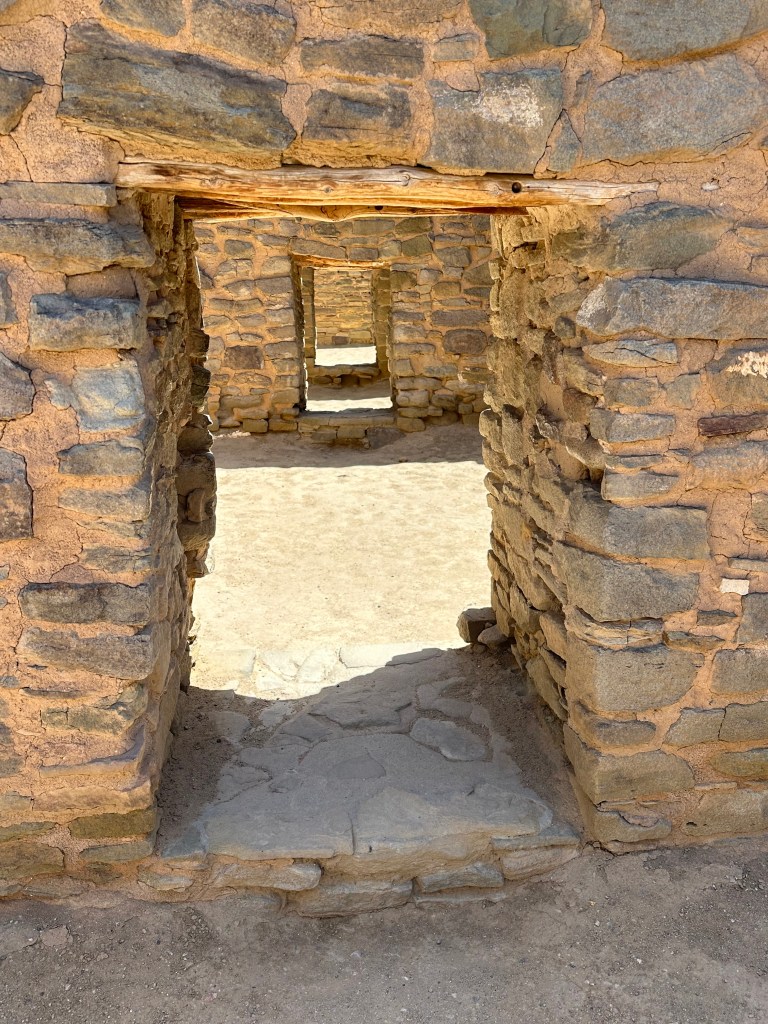
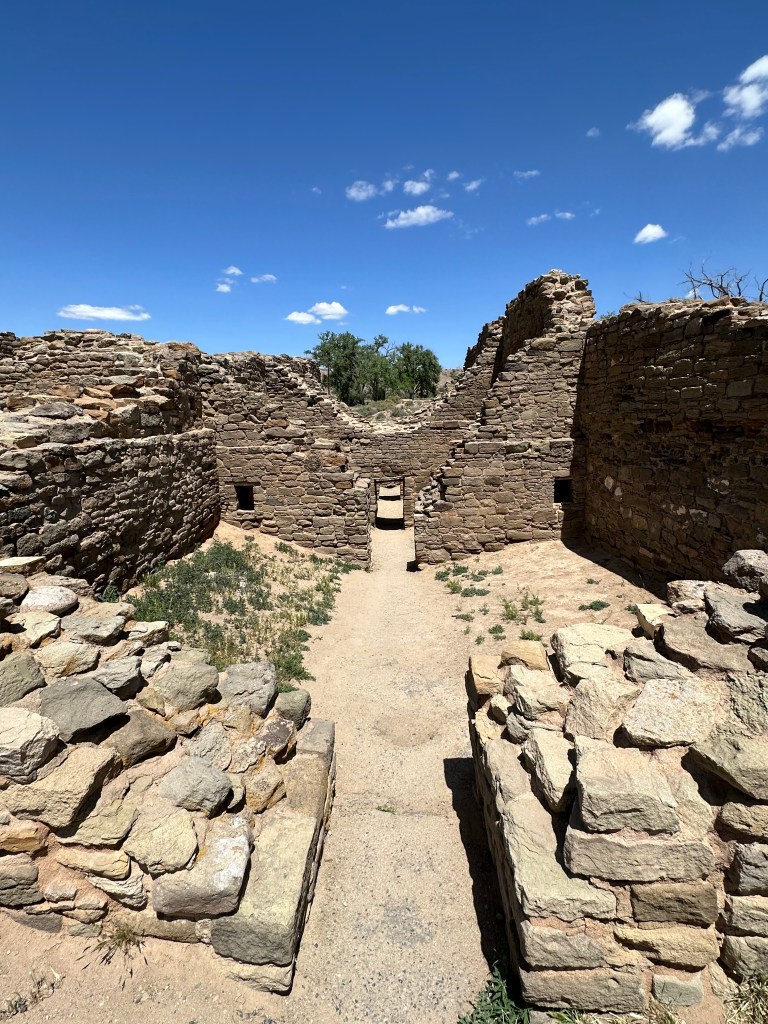
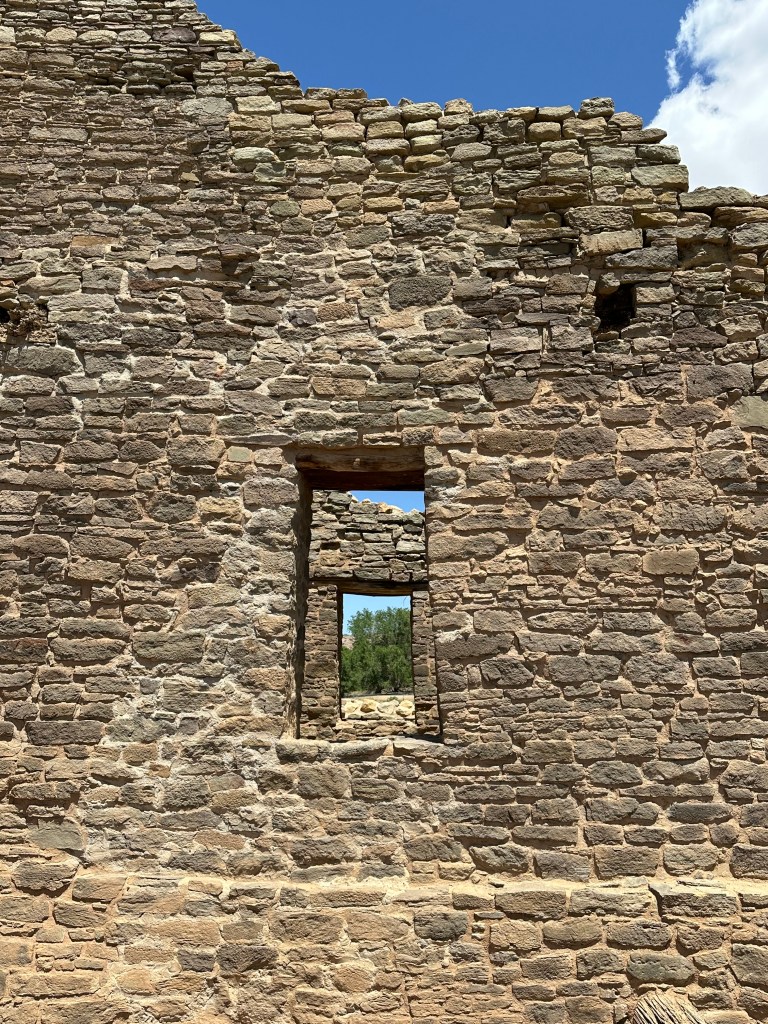
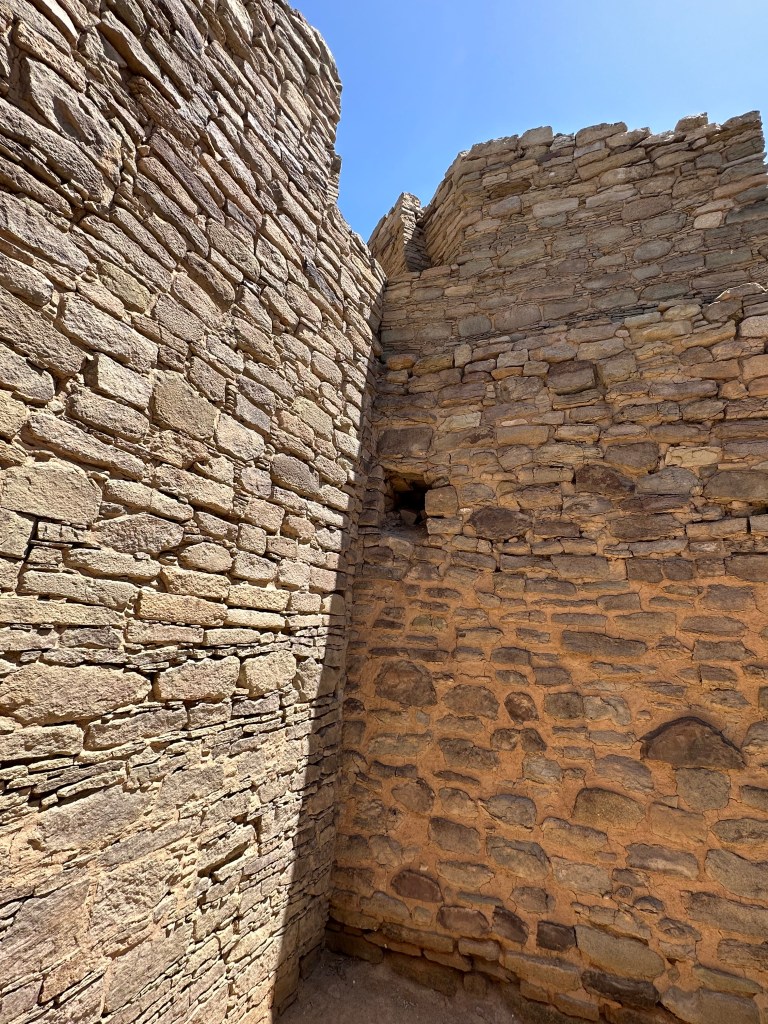
Also in New Mexico, ruins of 1000+ year old Pueblo dwellings in Chaco Canyon and Aztec Monument:

Chaco Canyon:


Aztec Monument:

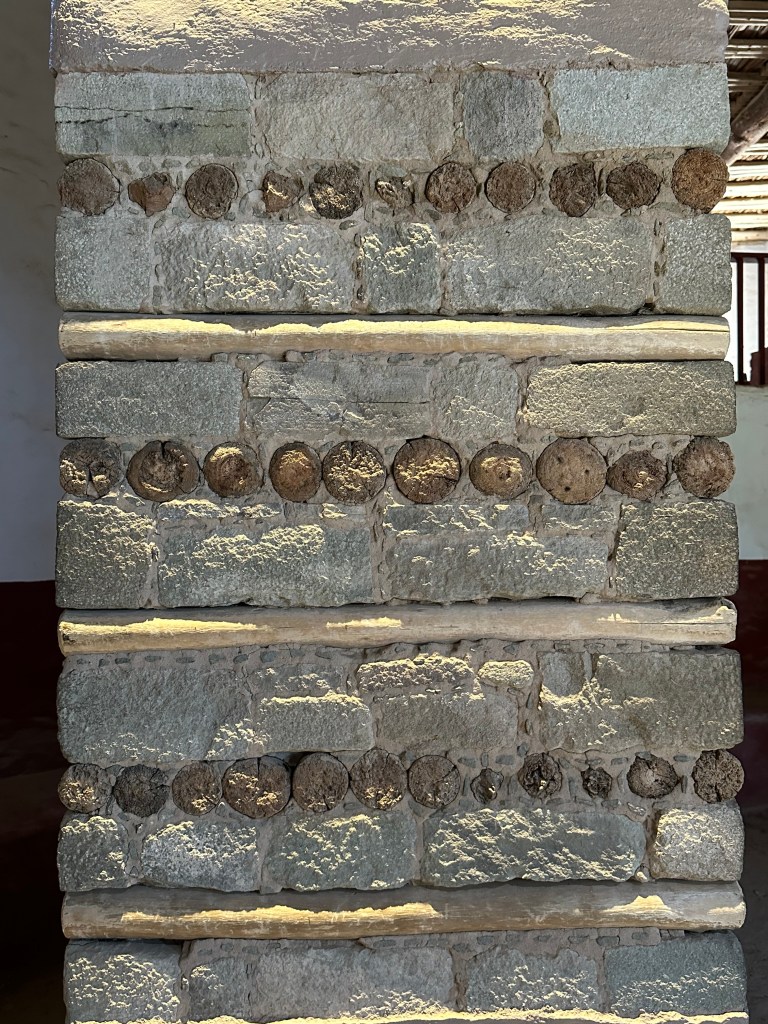
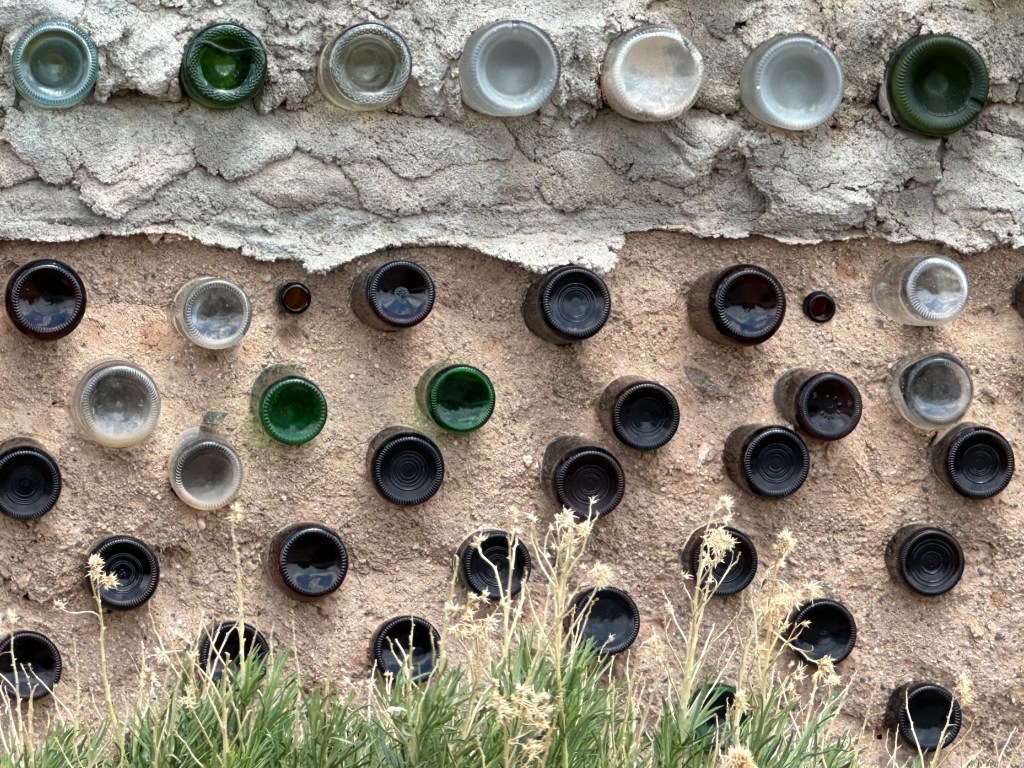
Just one of the striking construction similarities seen in the walls of the ancients and the futurists:

Aztec Monument:

Earthship:

Birds, Bees and Butterflies

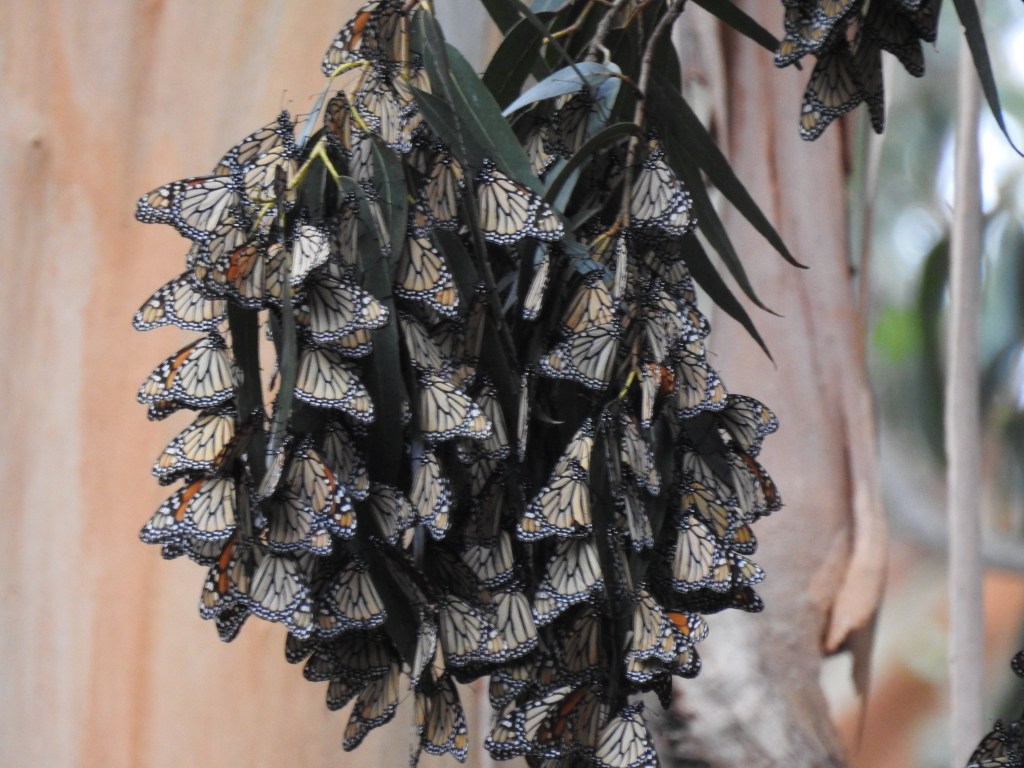
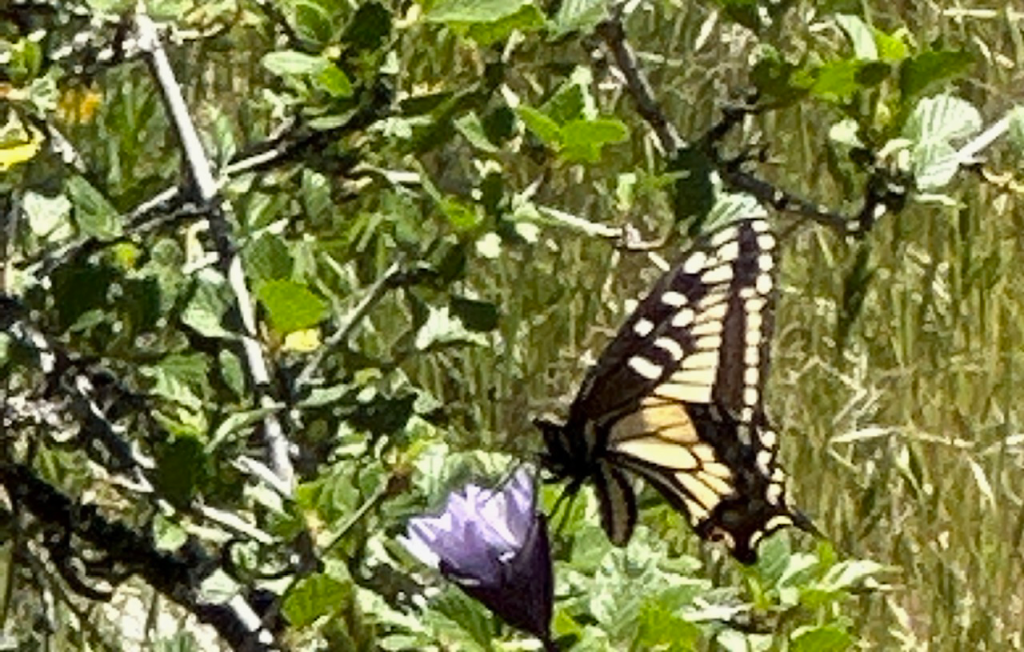
Pismo Beach Monarch Butterly Grove hosts the largest overwintering colony of Monarch butterflies in the United States. On December 26, 2023 there were just over 16,000 to date for the 23/24 winter. The previous winter there were 24,128 Monarchs, the largest number in the previous six years. https://www.experiencepismobeach.com/beach-and-outdoors/monarch-butterflies/

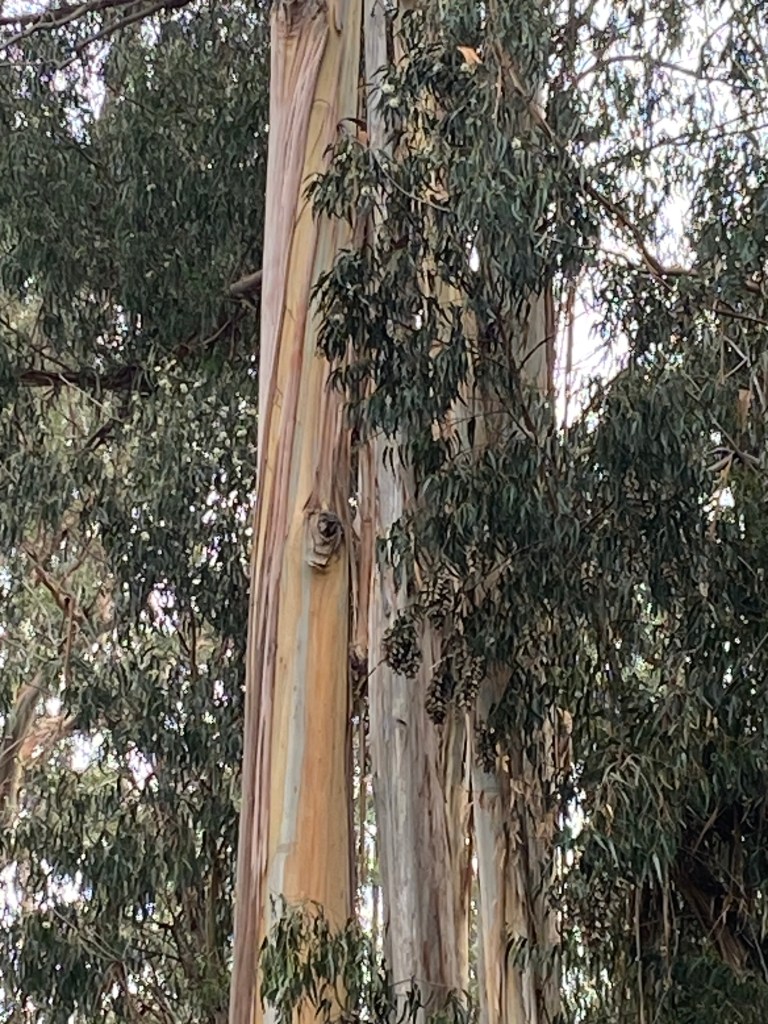
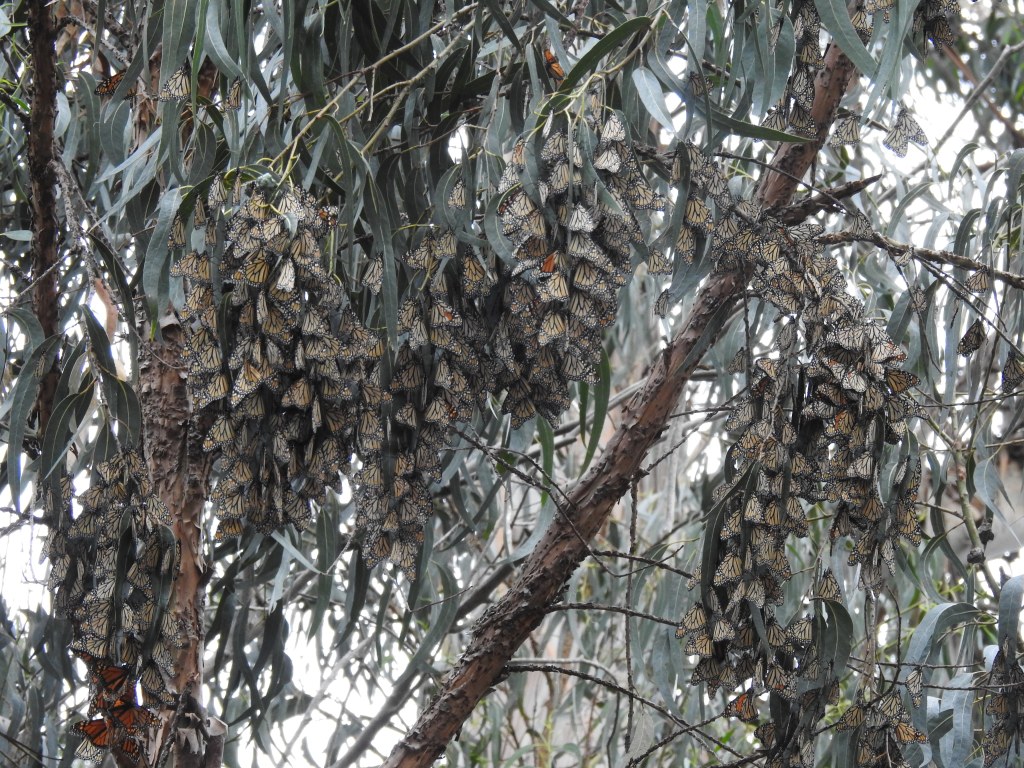
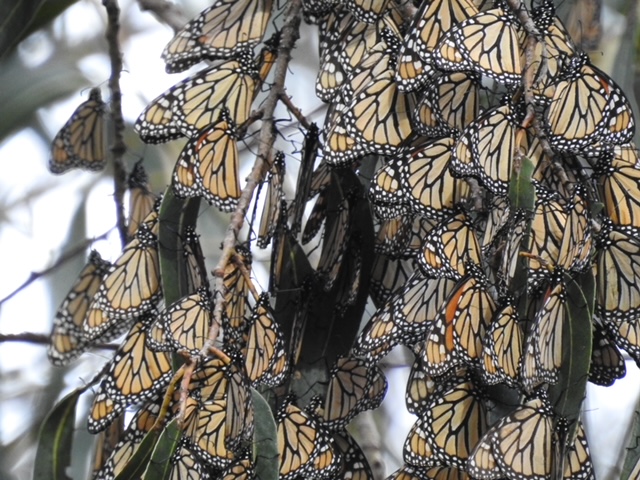
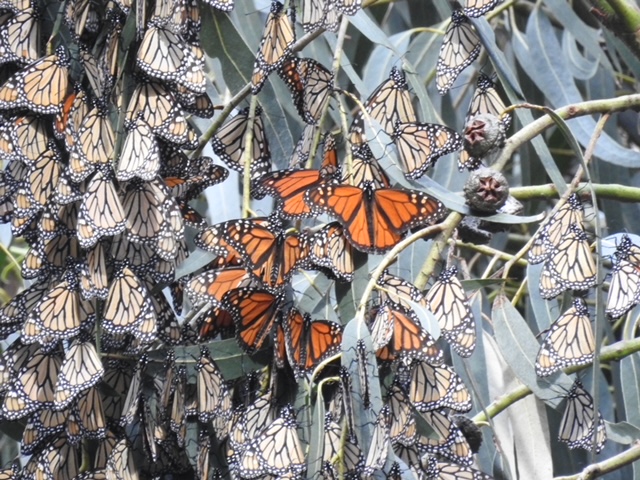
The Monarchs sleep on the branches of Eucalyptus trees in large clusters. There are a few clusters on the large tree trunk on the right in the center of the photo. (Photos by Kate Colwell)

These clusters were on another tree in the grove. When the temperature reaches 55 F, the Monarchs slowly begin to wake up.

This year you can share the joy of learning about bees, birds and butterflies with Lightport Books children’s book, which includes “can you find” photos and other activities. Available at Amazon and Barnes & Noble online, or any bookseller– through Ingram.

Tulare Lake in July 2023

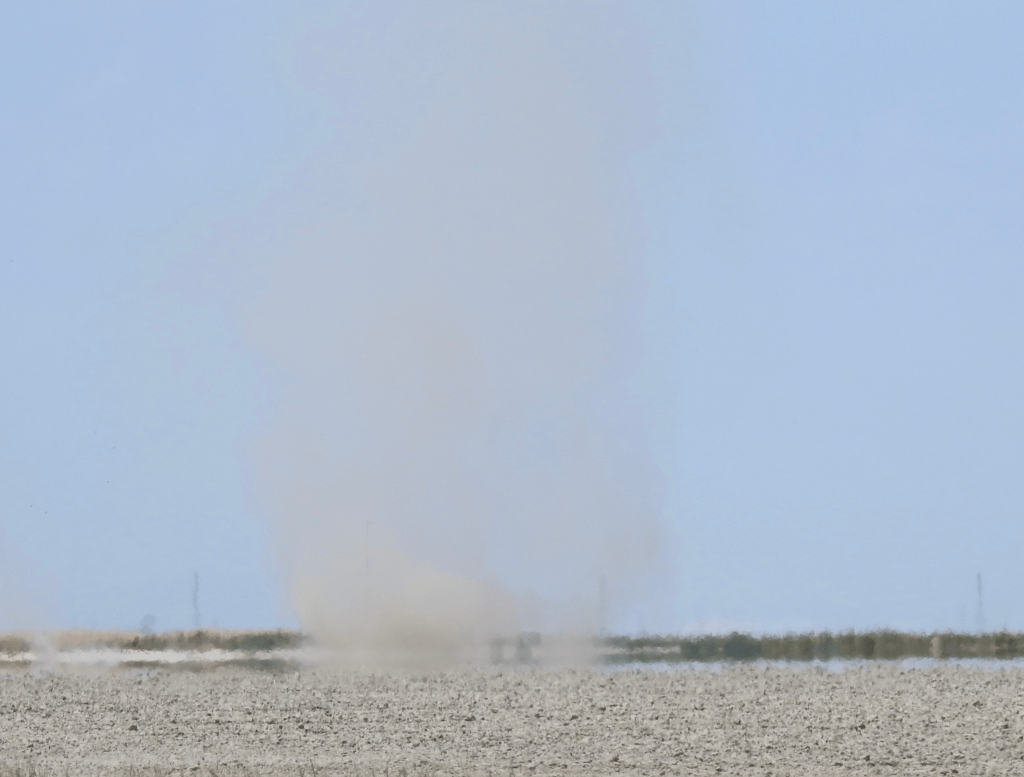
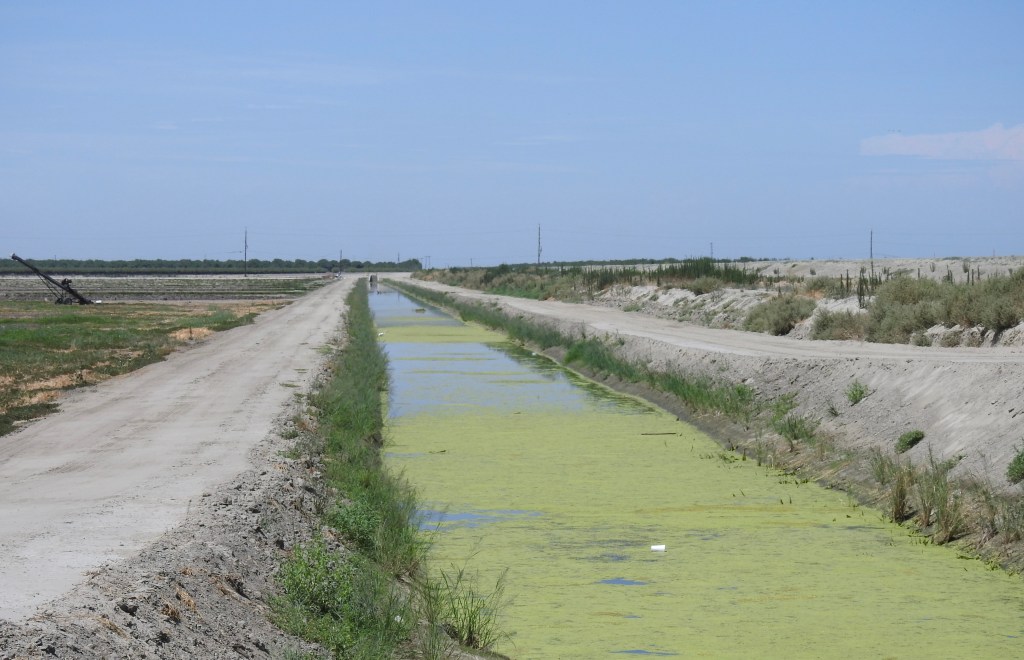
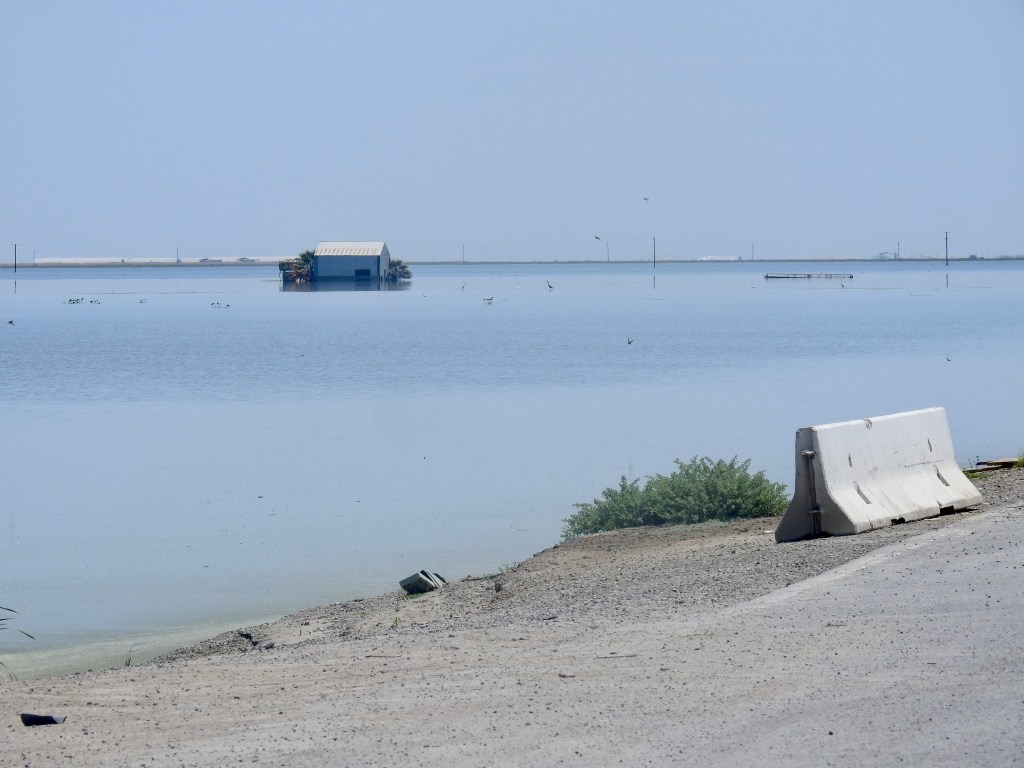
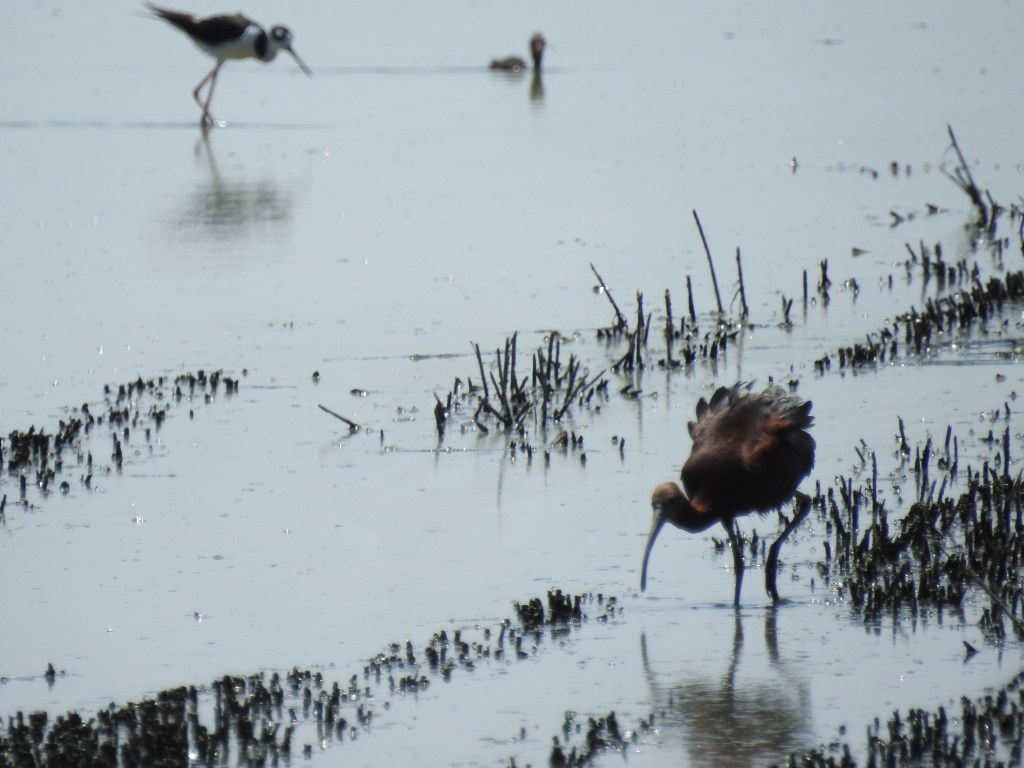
The re-emergent Tulare Lake in the Central Valley of California remains very large and has attracted many birds.  It seems a blessing given all the fallow land nearby, resembling dust bowl conditions. 

Thin, dusty topsoil blows around in the hot wind on July 18, 2023 in Tulare County:

An irrigation ditch nearby:

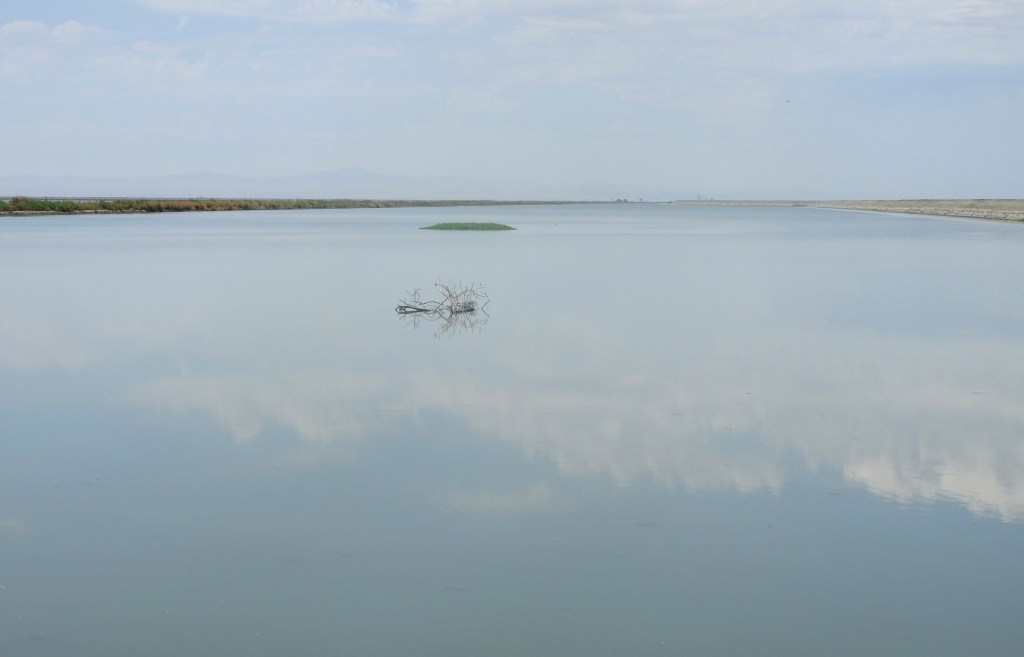
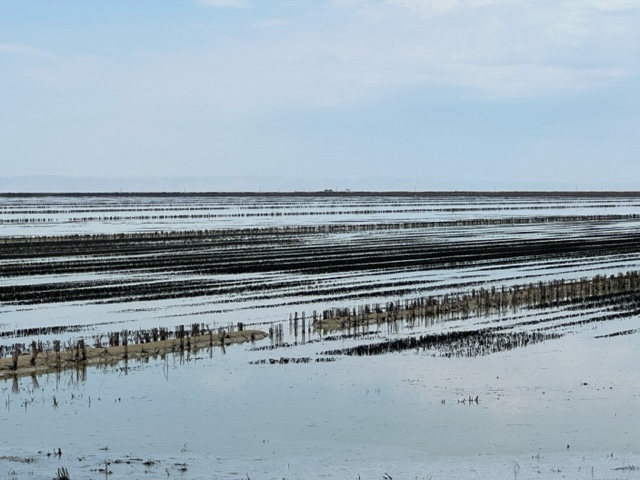
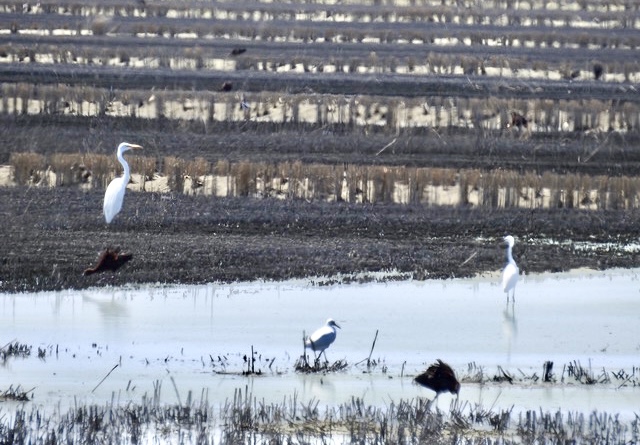
The reviving Tulare Lake from various viewpoints on July 18, 2023 near Corcoran:

A black-necked stilt and a white faced ibis above. Below, egrets, ibises, and many other birds.

The Valley Sea

If you read The Middle of a Wish, my futuristic novel written 4 years ago, following climate refugees in the mid-21st century, you will come across the Valley Sea.  It’s an imaginary body of water in central California that forms with more severe rain and sea level rise in the future.  

  But apparently, that future is here.  Tulare Lake, once the largest fresh water lake west of the Mississippi, but drained for irrigation and farming more than a century ago, is back.  You can read the history of Tulare Lake on Wikipedia: https://en.wikipedia.org/wiki/Tulare_Lake

  This is the “resurrected Tulare Lake” today.  A few months ago, this land was farmland as far as the eye could see.

How will we cope with changes of this magnitude, that are occurring so much faster than predicted. The climate refugees in The Middle of a Wish create some interesting solutions.

Nature’s Best Hope

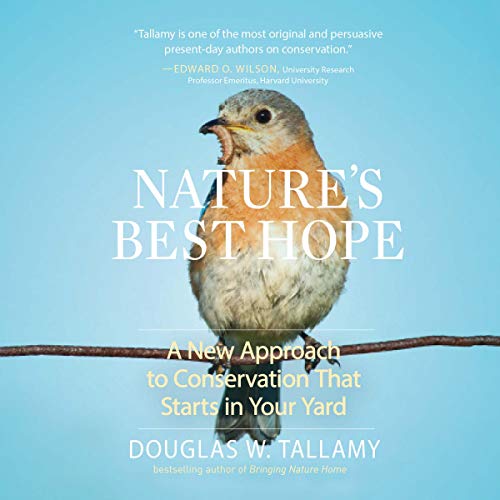
This book can be life-changing if you have a backyard or even a balcony for some potted plants.  Even people who are well aware of the importance of bees, pollinators, the sixth extinction, and the severe dangers of climate change, will likely learn something new in this amazing book.  It reads quickly, written in clear and compelling prose, and is illustrated with many stunning photographs.  It’s truths are well-researched, simple, and yet new.  And the solutions proposed are easily implemented by anyone.  It’s a must read.
Featured

CHILDREN’S BOOKS FOR ALL SEASONS

The newest in the series from Lightportbooks.org

A children’s picture book for ages 3 – 9, narrated by a friendly bee who flies around the world to visit 11 autumn festivals on 6 continents. The autumn celebrations are Yam Festival, Mabon, Sukkot, Karma, Midautumn Festival, Chuseok, Apple and Grape Harvest Festival, Pawkar Raymi, Green Corn Ceremony, and Thanksgiving.  

There are recipes and meal suggestions with harvest foods, as well as activities, a map of the world, a pronunciation guide, a glossary, and 14 color illustrations. Each illustration features the bee who describes celebrations of autumn harvests as well as the role of pollinators in growing food.  

38 pages.  Retail: $13.95.  55% discount to booksellers.

Reviews of Lightport Books’ children’s books:

“It’s a heart-warming thing to show a child a book that celebrates people of the world…”.       Port Arthur News, Texas

“Your children would surely enjoy this beautiful, informative book…” Lebanon Daily Record, Missouri

“Es un libro especialmente importante en un tiempo donde estamos mas pendientes de las diferentes culturas alrededor del mundo.” El Hispano News, Albuquerque New Mexico

“A valuable resource for starting children on the path to exploring global diversity.” Ruby Takanishi, former president of the Foundation for Child Development, New York City